

The Life of a PHP Developer: Pros, Cons, and Real-Time Insights
An Overview of PHP Development
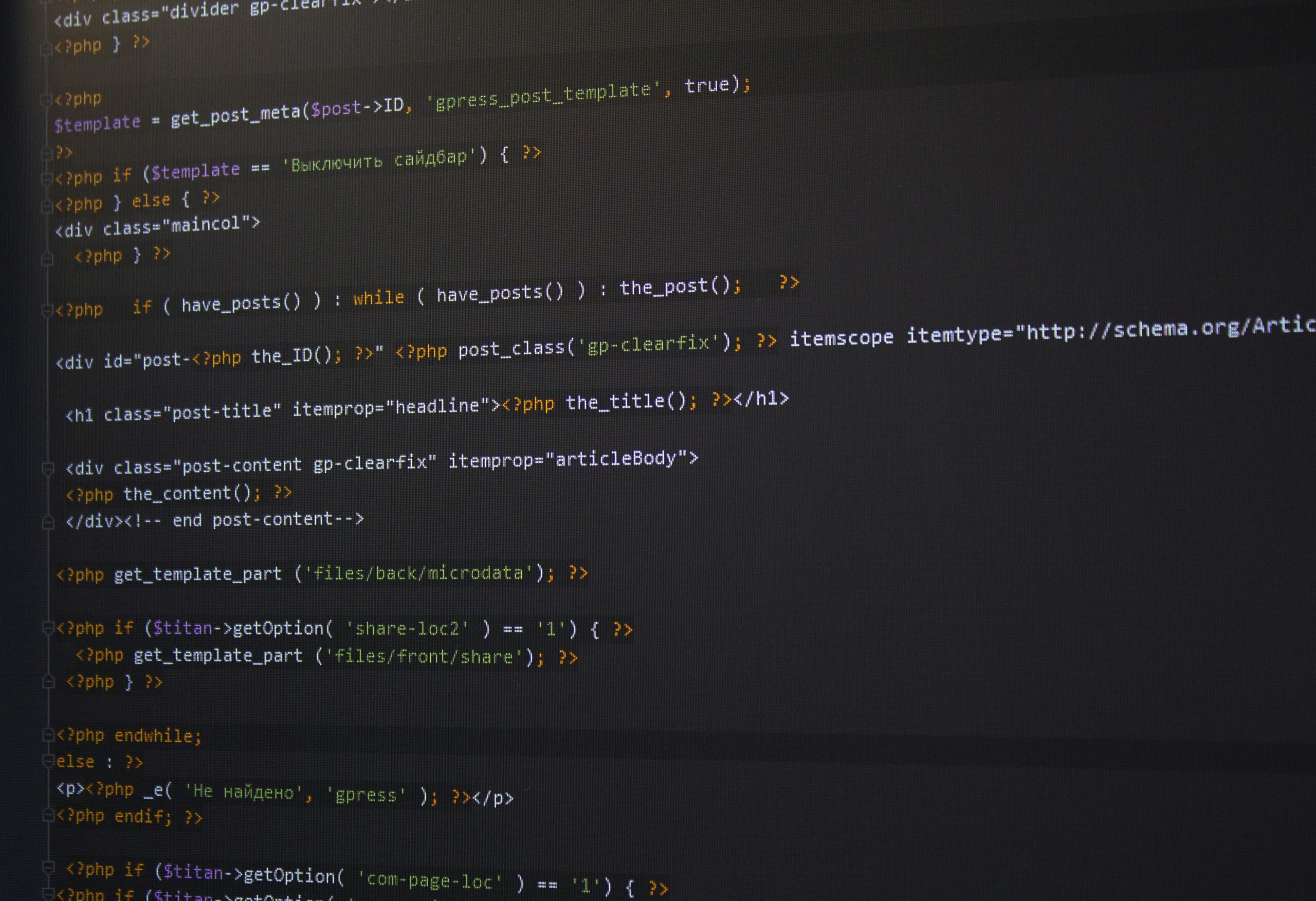
PHP, or Hypertext Preprocessor, is a widely-used open-source server-side scripting language designed primarily for web development. It enables PHP developers to create dynamic content that interacts with databases, facilitating the development of tailored web applications. As a scripting language, PHP empowers developers to manage a range of tasks within websites, such as user authentication, form submissions, and data processing, making it an essential tool in the modern web development landscape.
The significance of PHP in building dynamic websites cannot be overstated. With its extensive capabilities, PHP allows developers to create versatile applications that respond to user input in real-time. Often combined with HTML, CSS, and JavaScript, PHP serves as the backbone of many popular content management systems (CMS) like WordPress, Joomla, and Drupal. This compatibility underlines the adaptability of the language, as PHP seamlessly integrates with various databases such as MySQL, Oracle, and Microsoft SQL Server, further enhancing its utility.
A proficient PHP developer should possess a variety of skills and knowledge. Understanding core programming principles, familiarizing oneself with frameworks like Laravel and Symfony, and having a grasp of version control systems (e.g., Git) are essential for any developer aiming to succeed in this field. Additionally, expertise in security best practices is critical, given the importance of safeguarding user data in dynamic applications. Furthermore, a solid understanding of APIs, web services, and front-end technologies will bolster a PHP developer’s skill set, enabling them to create robust, full-stack solutions.
The role of a PHP developer extends beyond mere coding; it encompasses problem-solving, teamwork, and ongoing learning. As technology evolves, continuous adaptation and familiarity with emerging tools and methodologies are paramount for developers. Overall, PHP development offers a wealth of opportunities for those seeking to enter the dynamic world of web technology.
Real-Time Information and Trends for PHP Developers
In recent years, the landscape of PHP development has experienced significant transformations, reflecting both the technology’s adaptability and the evolving market demands. As a PHP developer, it is crucial to stay updated on the latest trends, tools, and frameworks to maintain a competitive edge in the job market. Current data indicates a robust demand for PHP developers, particularly in freelance settings, as companies increasingly seek scalable web solutions.
The job market for PHP developers shows promising growth, with an increase in job listings, particularly related to open-source projects and startups. Freelance platforms have reported a rising number of PHP-related projects, suggesting that organizations are continuously leveraging PHP for its strengths in backend development. Moreover, many businesses are turning to PHP in combination with modern front-end frameworks, enhancing the overall user experience.
As PHP continues to evolve, several frameworks have gained traction among developers. Laravel remains a favorite due to its elegant syntax and powerful features, while Symfony is notable for its flexibility and extensive options for customization. Additionally, the emergence of tools such as Composer for dependency management has streamlined project setup and maintenance for PHP developers.
Another vital aspect of staying relevant in the field is familiarity with emerging PHP versions. The move from PHP 7 to PHP 8 brought various enhancements, including JIT (Just in Time) compilation, better error handling, and union types, which significantly impact performance and scalability. Keeping abreast of these advancements allows PHP developers to optimize their applications and improve their coding practices.
In summary, the current landscape for PHP developers is characterized by a combination of increasing demand, evolving tools, and significant advancements in PHP versions. Staying informed about these trends is essential for PHP developers who aspire to thrive in the competitive global market.
Advantages of Working as a PHP Developer in Freelance
Freelancing as a PHP developer offers an array of significant advantages that can greatly enhance one’s career and personal satisfaction. One of the most appealing aspects is the flexibility of freelance work. Unlike traditional employment, freelance PHP developers have the ability to set their own schedules and choose their clients. This flexibility allows developers to work during their most productive hours and often leads to a better work-life balance.
Another advantage of freelancing is the potential for higher earnings. Many freelance PHP developers find that they can charge premium rates for their services, particularly if they possess in-demand skills and experience. This can lead to increased financial independence compared to those who are employed full-time, where salary ranges can be rigid and predetermined. According to one experienced freelance PHP developer, “I found that by carefully selecting my projects, I could significantly increase my income while enjoying a sense of autonomy.”
The diversity of projects available to freelance PHP developers is another compelling benefit. Freelancers often work with various clients across different industries, allowing them to continually develop their skills and keep their work engaging. Each project presents unique challenges, making this career path both intellectually stimulating and rewarding. As one developer notes, “Working on diverse projects has not only built my portfolio but has also taught me valuable lessons about different coding approaches and technologies.”
Lastly, the opportunity to work from anywhere is highly valued by many freelance PHP developers. Whether it is from the comfort of their home, a coffee shop, or while traveling, this ability to work remotely fosters a sense of freedom that is hard to find in a traditional office setting. With the advancements in technology, achieving seamless communication and project delivery has never been easier, making freelancing an increasingly viable option for PHP developers.
Challenges Faced by PHP Freelancers and Considerations
While a career as a PHP developer can be rewarding, freelancing in this field also comes with its own set of challenges. One of the most prominent issues is the inconsistent income. Unlike traditional employment, where a fixed salary guarantees monthly earnings, freelancers must navigate periods of feast and famine. This variability in income can lead to financial stress, requiring freelancers to develop a robust budgeting strategy to manage their finances effectively.
Another significant challenge is the need for self-discipline. Unlike working in a structured environment, PHP freelancers often set their own schedules, which can be both liberating and daunting. The absence of a supervised work environment means that freelancers must cultivate strong self-management skills to meet deadlines and maintain productivity. This can be particularly difficult when faced with distractions or a lack of motivation.
Client acquisition is another hurdle for PHP developers in the freelance market. Building a solid client base requires not only technical skill but also strategic marketing efforts, networking, and sometimes a bit of luck. Freelancers must actively seek out new opportunities and present their skills effectively to attract clients. Furthermore, maintaining ongoing relationships with clients is essential, requiring dedicated communication and responsiveness.
Administrative tasks can also weigh heavily on freelancers. From invoicing and tax reporting to project management and bookkeeping, a PHP developer has to juggle these responsibilities alongside actual coding work. This often leads to more hours spent on tasks unrelated to programming.
Lastly, staying updated with technological advancements is critical for any PHP developer. The freelance marketplace is competitive, necessitating continuous learning and adaptation to new frameworks and versions of PHP. This ongoing learning curve can be both challenging and time-consuming but is crucial for staying relevant in the ever-evolving tech landscape.
